Knee injuries
Knee injuries
Knee injuries

Knee injuries: ACL, meniscus & cartilage

A twisting fall while skiing, a tackle on the football pitch or an awkward movement in everyday life – the knee is one of the most frequently injured joints. Common injuries include tears of the anterior cruciate ligament (ACL), meniscus tears, cartilage damage and an unstable kneecap.

Dr Christian Coppola, specialist in orthopaedics and trauma surgery, focuses on knee surgery and holds a PhD in knee biomechanics. At AGON in Sterzing/Vipiteno, he assesses your injury in detail, explains conservative and surgical options and supports your rehabilitation together with our physiotherapy team.

arrow-left
arrow-right
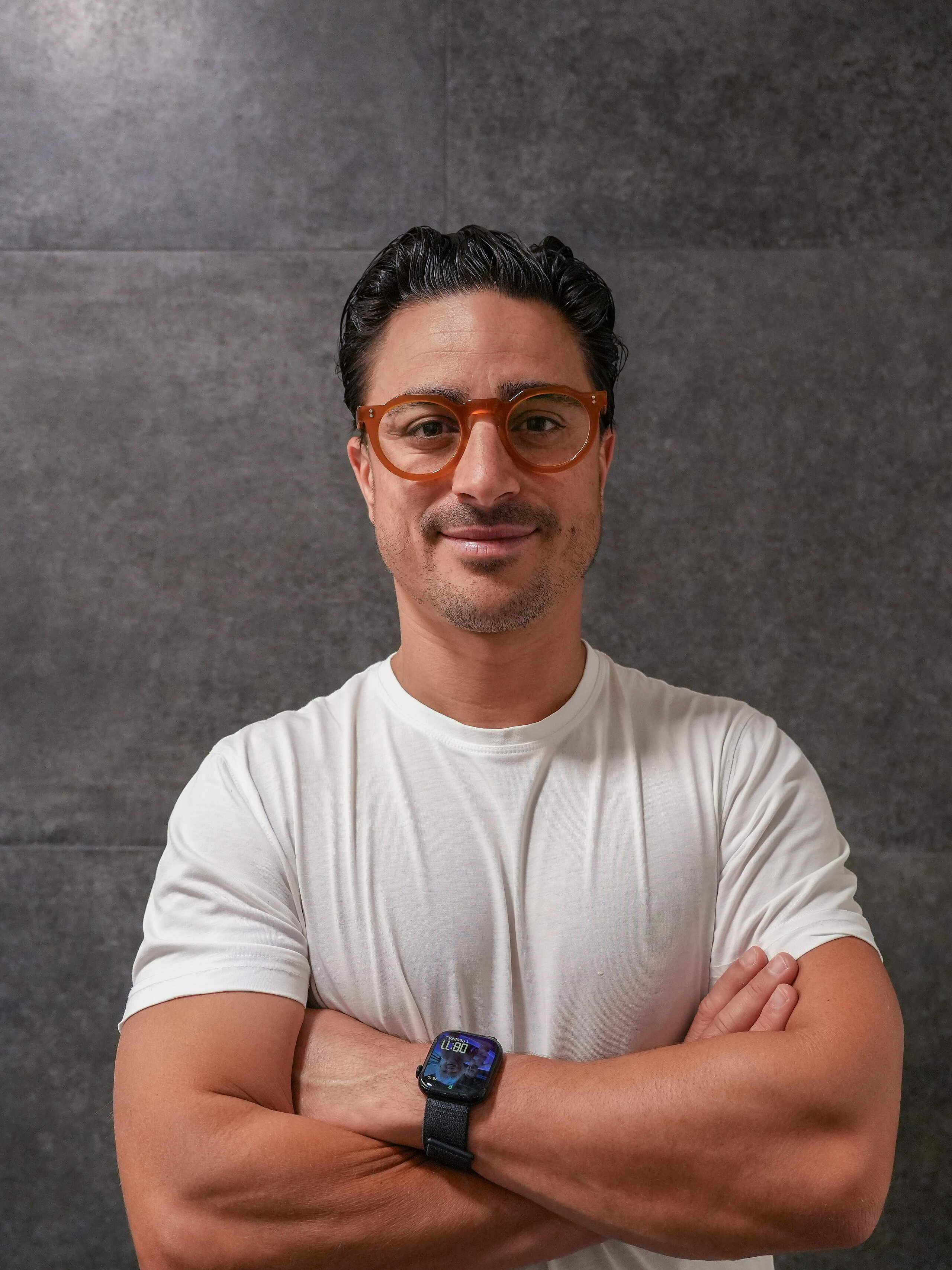
Dr Christian Coppola, orthopaedic specialist, at AGON in Sterzing
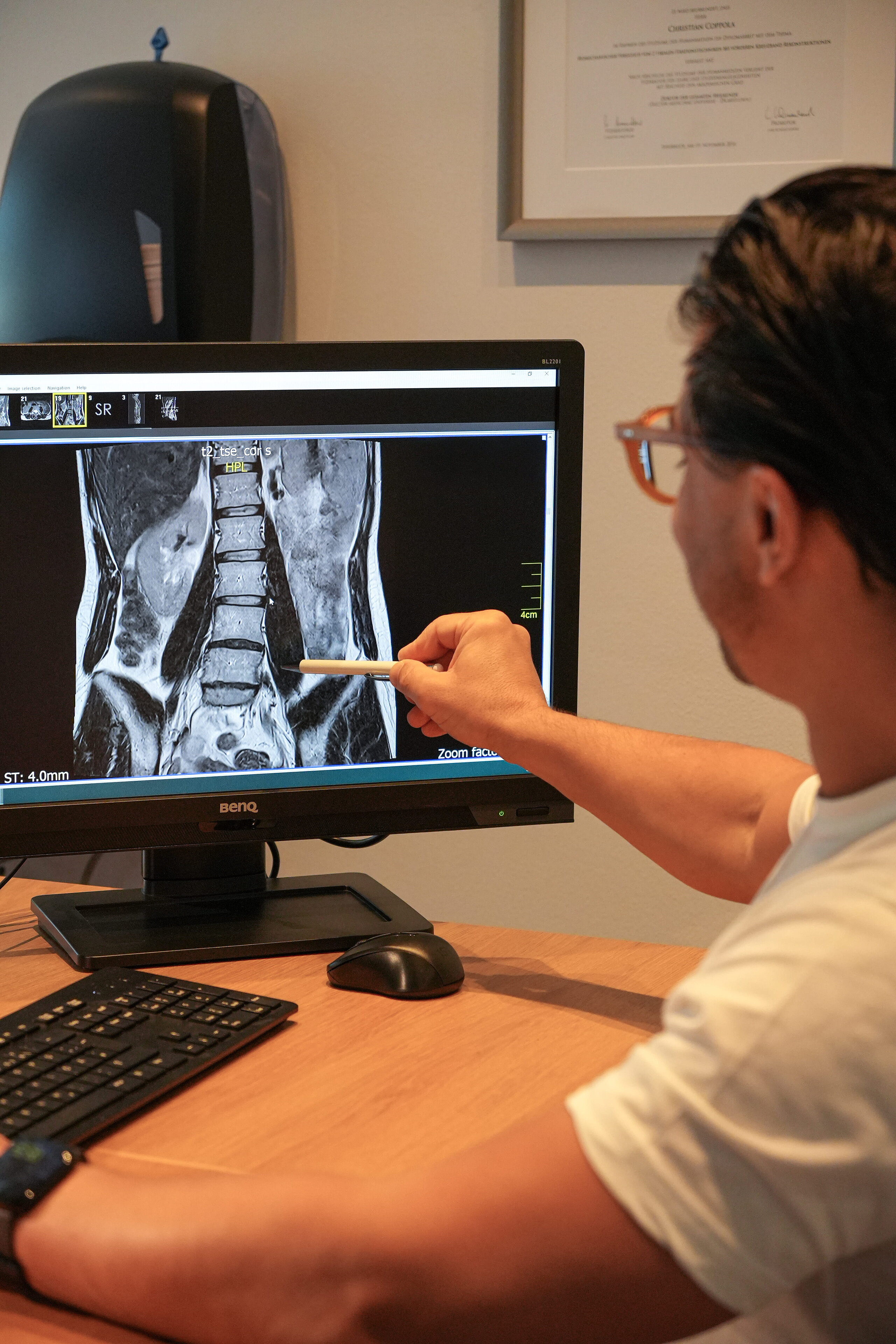
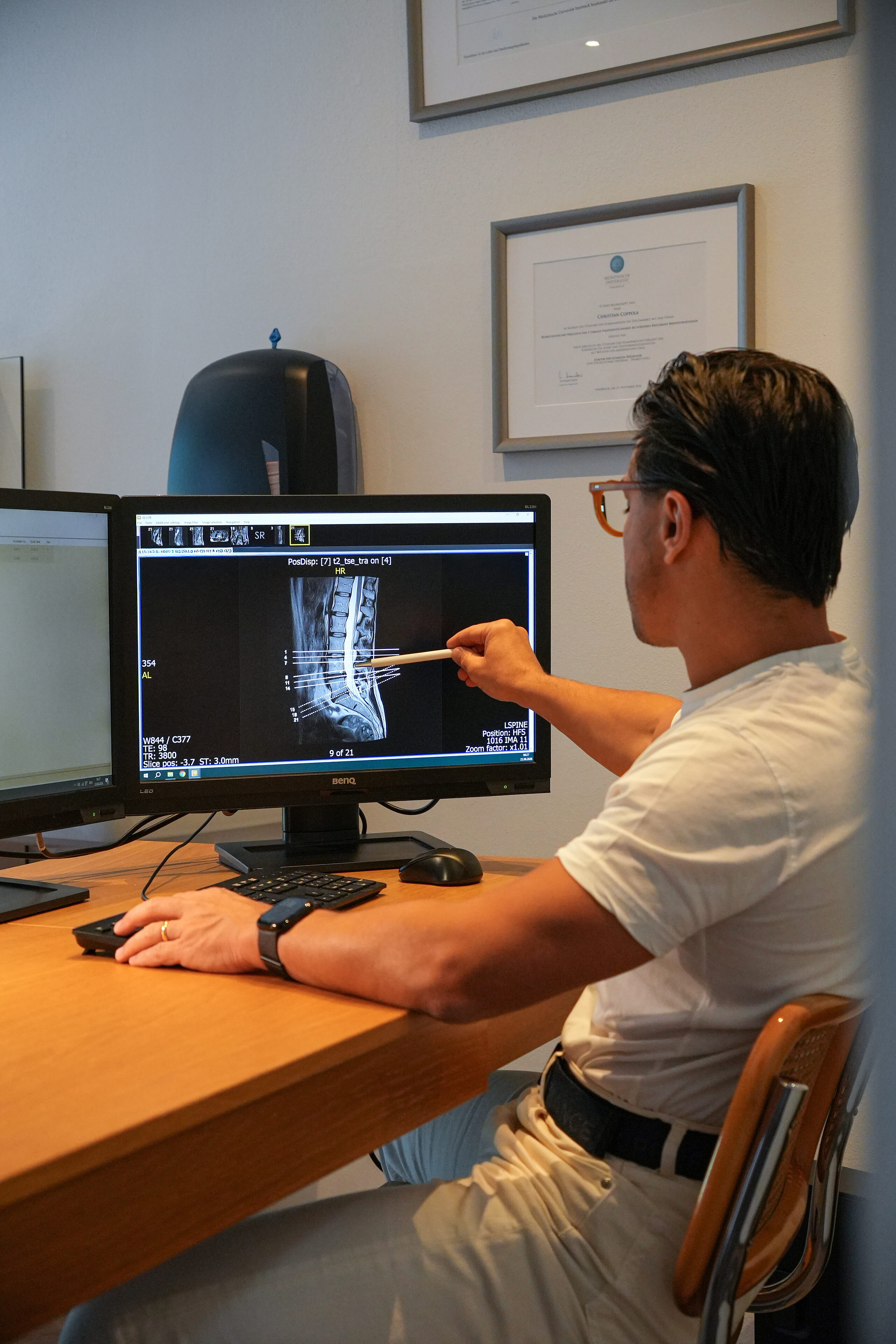
Dr Christian Coppola reviewing an MRI scan
Dr Christian Coppola, orthopaedic specialist, at AGON in Sterzing

ACL tear

A feeling of instability and the knee "giving way" are typical signs. Whether conservative treatment with targeted training is enough or ACL reconstruction makes sense depends on your activity level, your sport and any associated injuries.
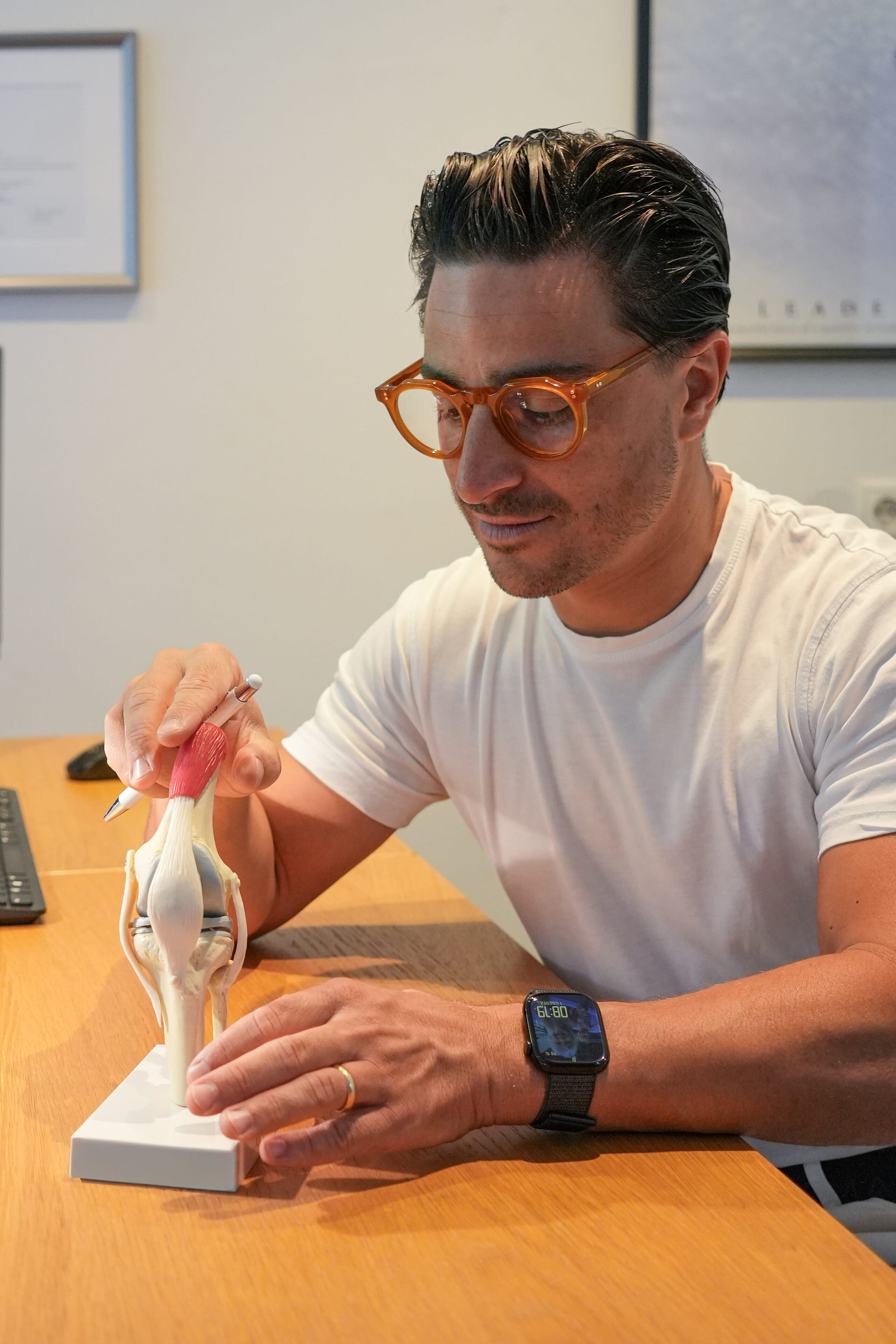
Dr Christian Coppola explaining a knee injury on a knee model

Meniscus injury

Pain when twisting or squatting and a locking knee point to a meniscus tear. Wherever possible, the meniscus is preserved – for example with a repair. Parts that cannot be repaired are carefully removed.
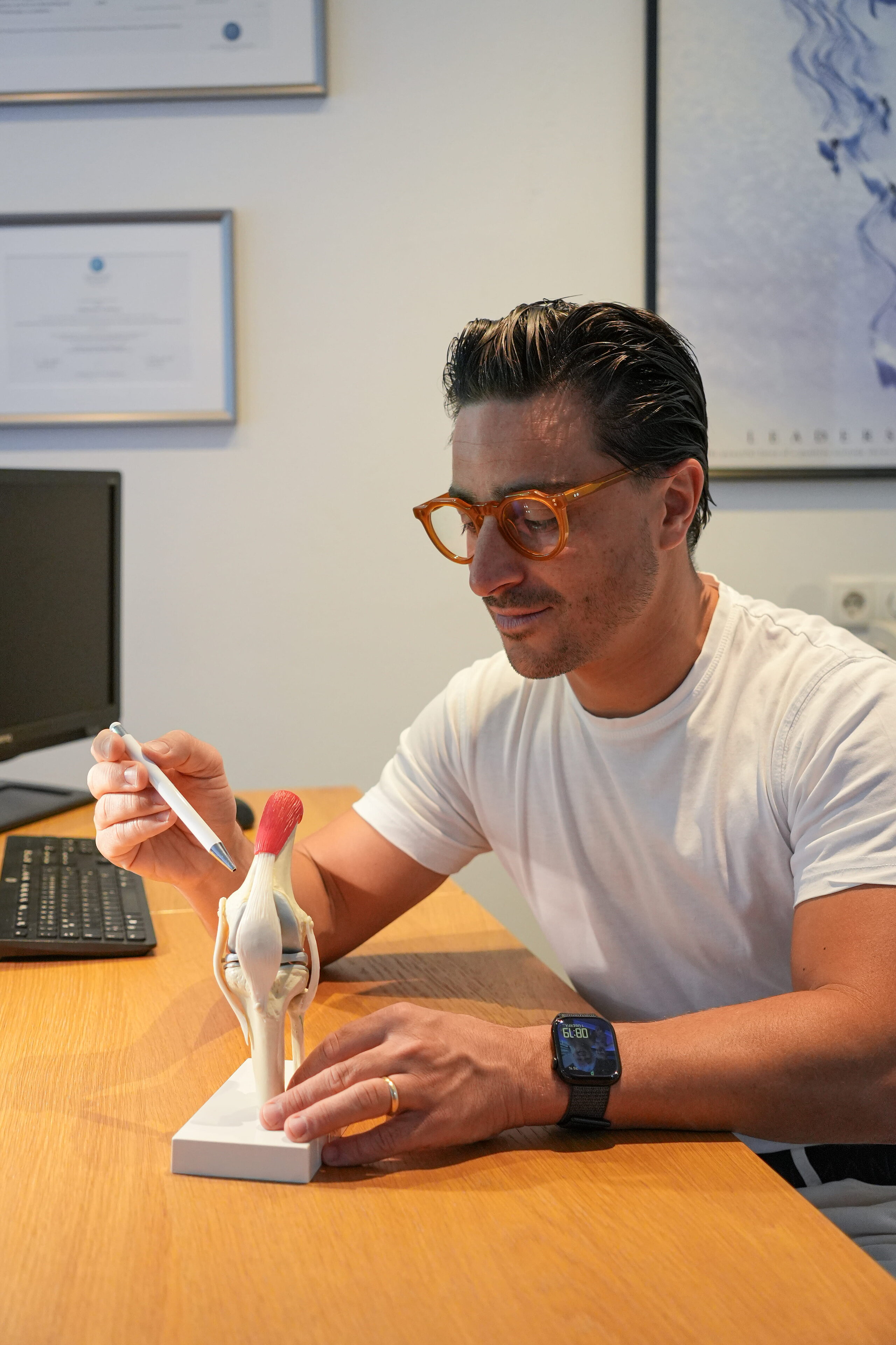
Dr Christian Coppola explaining a knee injury on a knee model

Cartilage & kneecap

Cartilage damage often causes pain under load and swelling. Depending on the findings, joint-preserving treatment or cartilage reconstruction may be considered – and patellar stabilisation if the kneecap dislocates repeatedly.
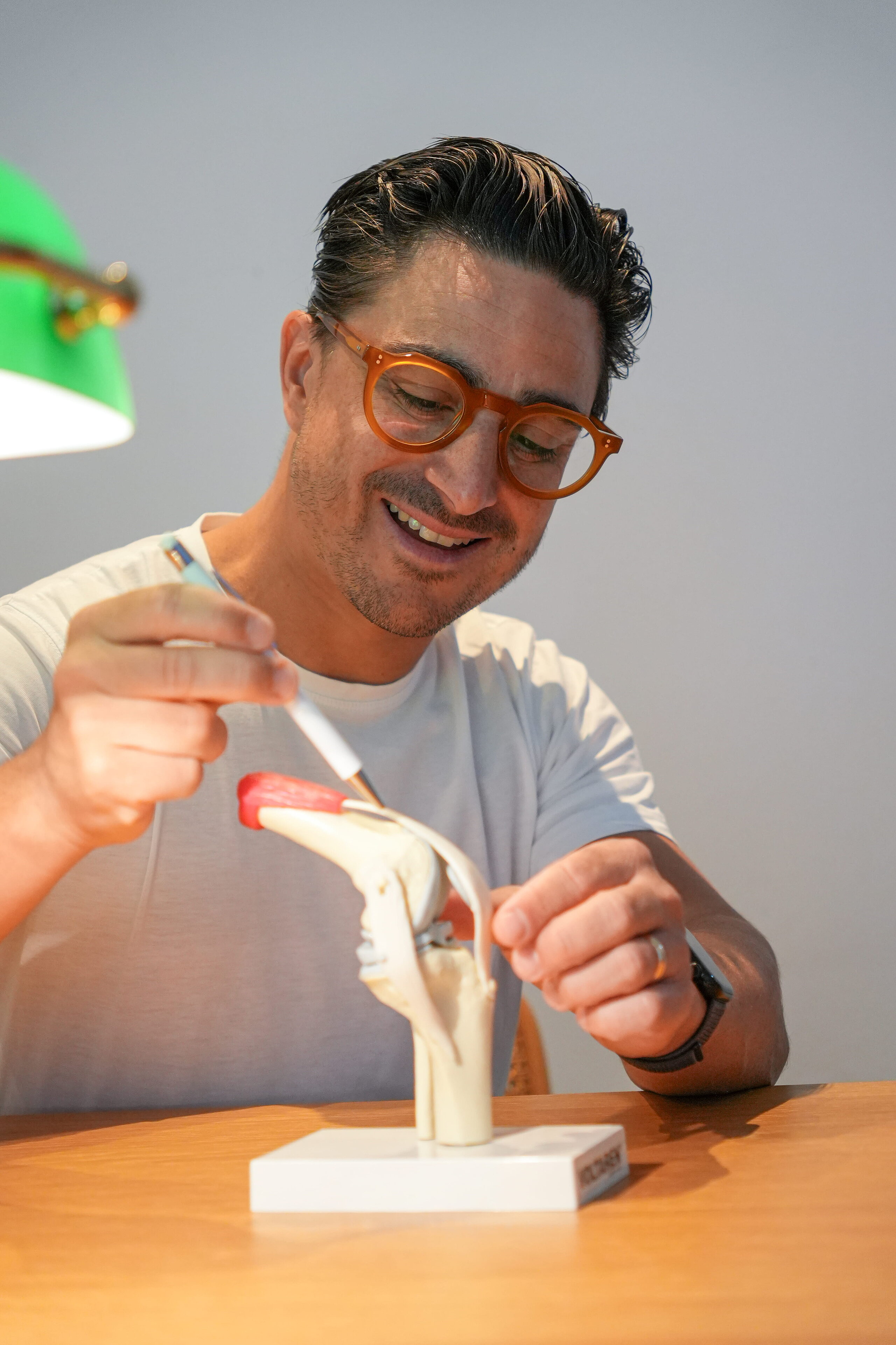
Dr Christian Coppola explaining a knee injury on a knee model

Frequently asked questions about knee injuries

When should I see an orthopaedic specialist about a knee injury?
chevron-down icon

As soon as possible if your knee swells up a lot after an accident, feels unstable, locks or cannot bear weight. Complaints that last longer than one or two weeks or keep coming back should also be assessed by an orthopaedic specialist.

Does an ACL tear always need surgery?
chevron-down icon

No. The decision depends on factors such as age, sport, instability and associated injuries. Some patients do well with consistent conservative treatment; for others – for example in sports with sudden stops and pivoting – ACL reconstruction makes sense.

Do I need an MRI?
chevron-down icon

Dr Coppola decides after the clinical examination. An MRI shows ligaments, menisci and cartilage and is often helpful for knee injuries. Please bring any existing scans to your consultation.

Can I get a second opinion?
chevron-down icon

Yes. If surgery has already been recommended to you, Dr Coppola reviews your reports and images with you and explains the pros and cons of the possible treatment options.

What happens after knee surgery?
chevron-down icon

Dr Coppola takes care of the check-ups and our physiotherapy team of your rehabilitation – tailored to the specific procedure. Find out more on our pages about physiotherapy after ACL surgery, meniscus surgery and knee surgery.

Dr Christian Coppola in his consultation room at AGON in Sterzing

Surgery, follow-up & rehab under one roof

Whether your treatment is conservative or surgical, medical care and physiotherapy work hand in hand at AGON. Dr Coppola plans the treatment, carries out the check-ups and coordinates every rehab step directly with our physiotherapists – from the first mobilisation to your return to sport.


Continue reading
Have your knee assessed